
November 2026 News
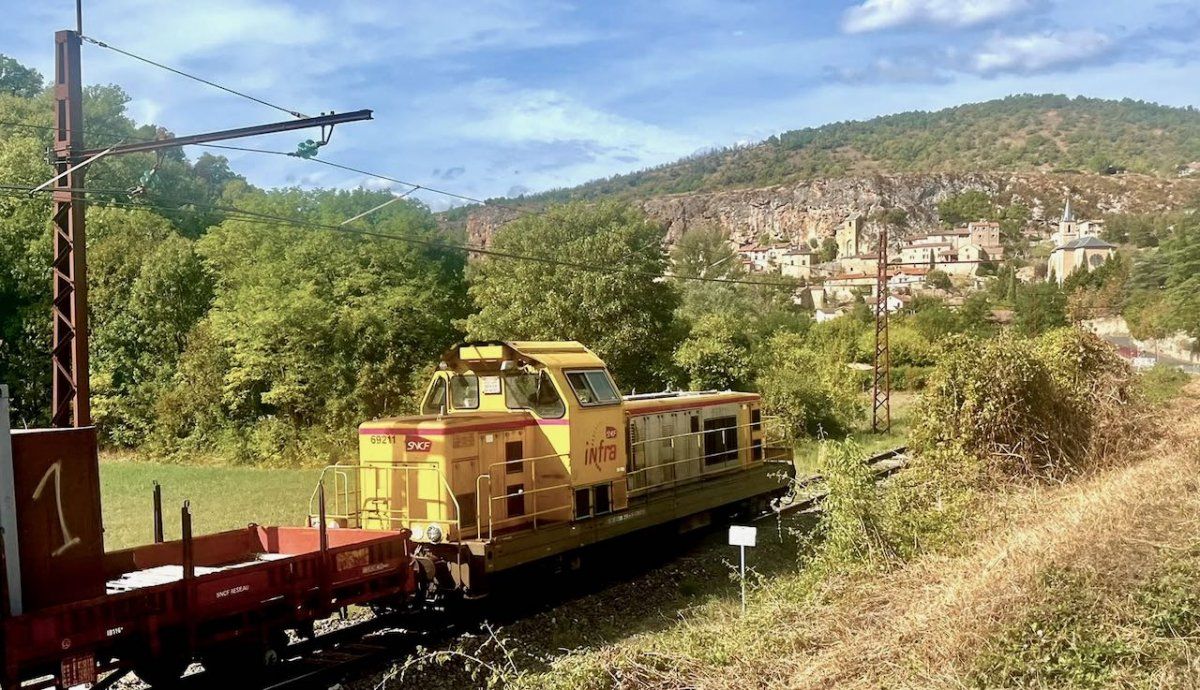
A spot resleepering programme began between Béziers and Millau on 28 September, with teams working overnight until 27 November to replace 3,500 damaged timber and concrete sleepers. On 2 October, a works train headed by BB 69211 (1965, rebuilt 2009) enters the troglodytic village of Peyre south of Millau, classed as one of the prettiest in France, where many dwellings are built into the face of the sheer cliffs. Photo: Roger Carvell.

Euroduplex 4707 waits to depart from Colmar with the 16.45 to Paris Est on 5 December 2024. Most daytime Paris – Strasbourg TGVs run down to Colmar to reverse rather than in Neudorf carriage sidings. This provides better connections to Haut Rhin destinations and avoids complaints from Grand Est municipalities that contributed towards construction of LGV lines but see no direct benefit.
More trains for winter holidays
The Strasbourg – Marseille Ouigo Grande Vitesse starts on 13 December, along with a third daily Paris – Strasbourg, a third Paris – Lyon and a fourth Classique on the Paris – Brussels route. The third Strasbourg Ouigo also serves Nancy and Champagne-Ardennes TGV, restoring low-cost service after a five-year gap, but the train is a straight replacement for the 09.11 Inoui from Paris Est returning at 18.09. Elected officials said Nancy had been ‘cheated’; SNCF said it had provided ‘a more accessible train’. A sixth daily A/R will run from Paris to Stuttgart, and an additional Paris – Munich – Augsburg – Ulm at weekends.
Travelski operator Pegasus Trains is running its ski train again this winter from 18 December until 14 March. Train 5701 departs Paris Austerlitz on Fridays at 22.33 arriving Bourg-Saint-Maurice at 08.09 on Saturday morning, returning as 4880 dep 20.58 for 07.22 Sunday morning arrival at Austerlitz. The train serves Albertville, Aime-La-Plagne and Moutiers in both directions.
GoVolta’s Paris service starts on 14 December, departing Amsterdam Central 07.46 for arrival Gare du Nord at 14.54, returning at 15.49 and reaching Amsterdam and 23.29. One-way fares start at €35.
GoVolta’s Paris service starts on 14 December, departing Amsterdam Central 07.46 for arrival Gare du Nord at 14.54, returning at 15.49 and reaching Amsterdam and 23.29. One-way fares start at €35.

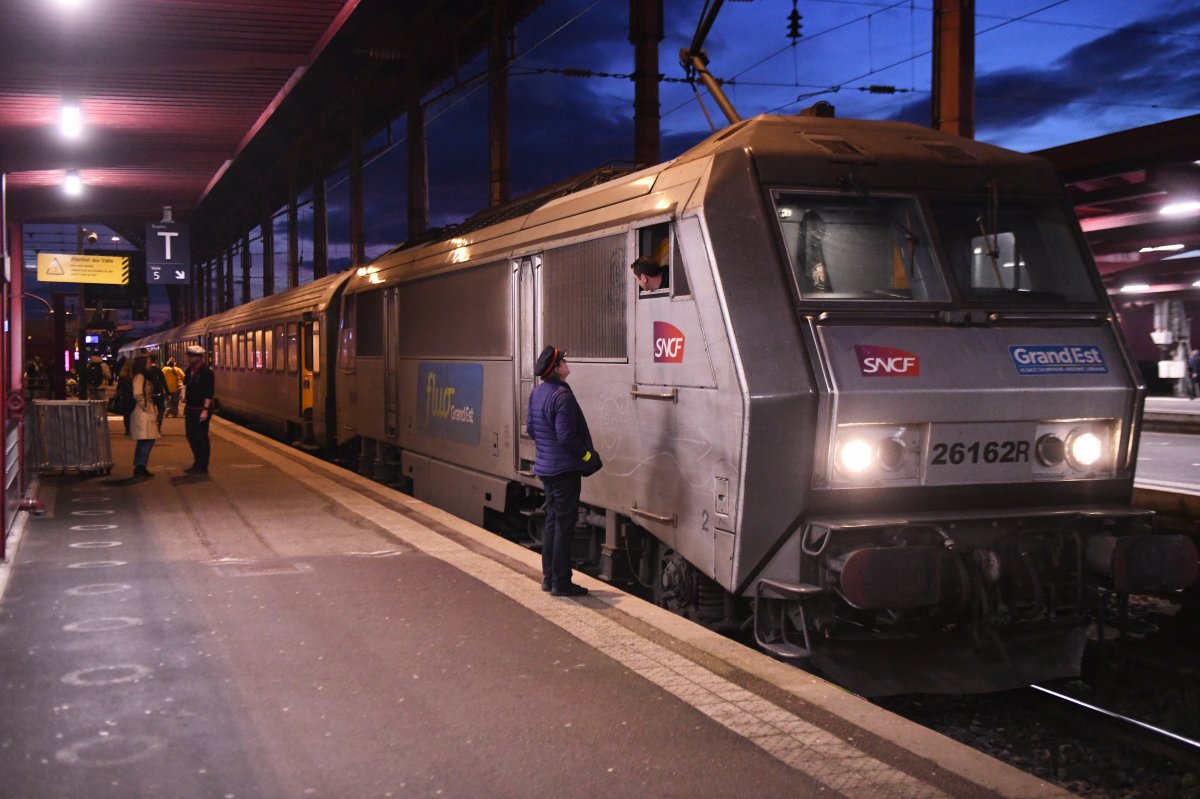
Having worked two round trips on TER 200 services from Strasbourg to Basle earlier in the day, BB 26162 waits to depart from Strasbourg with TER 835028 17.19 to Nancy on 8 December 2025.
Grand Est begins TER 200 replacement
Capacity is an issue on the route which carries 26,000 passengers a day and the new trains must accommodate up to 1,200. At present rakes of six or eight Corail coaches are used and regularly suffer from severe overcrowding, despite half hourly interval services most of the day. A double-deck design has not been ruled out. GE expects to publish its specification for the trains before the year end. The région operates a fleet of 22 Class BB 26000 (26140-153, 158-163, 167-168) based at Strasbourg Technicentre, all MUX equipped for Corail push-pull working. Predominantly used on the even-interval TER 200, they also appear on a few services to Paris Est, Marne Valley, Nancy and Metz.
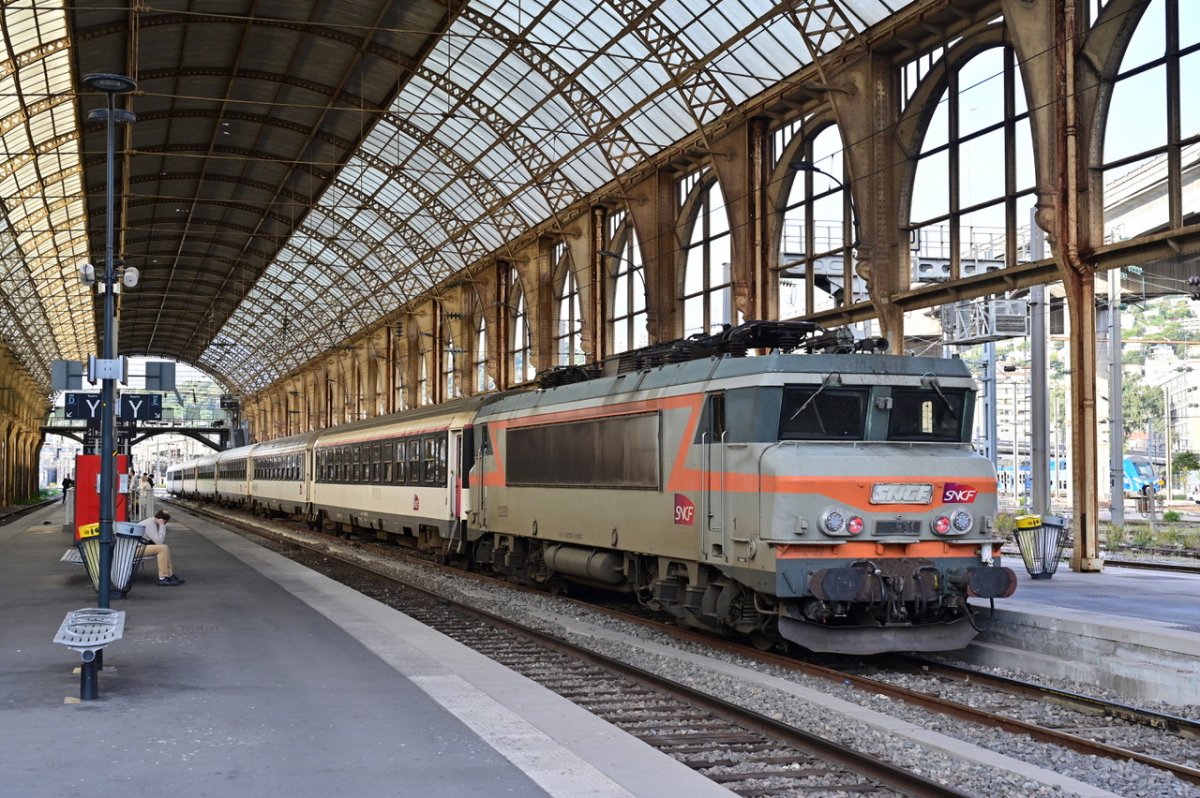
New Train Blues: With new stock unlikely to be delivered before the end of 2030, Corail coaches will be running into their seventh decade. On 3 October, BB 22346 is seen after arrival at Nice with Train Bleu ICN 5781 20.57 from Paris Austerlitz. Photo:Gwenäel Piérart.
Media reports last month suggested an imminent announcement of the €1.1 billion night train rolling stock contract. Alpha Trains is the last of four leasing companies pre-qualified to supply the next-generation fleet of 180 coaches and 27 locomotives. Beacon Rail and Railpool dropped out earlier this year and Akiem withdrew in September. Alpha’s proposal, based on Stadler locomotives and CAF coaches, would see the first trains commissioned in December 2030, a year later than planned. Alpha Trains France PDG Vincent Pouyet gave an upbeat interview to Ville, Rail & Transport on 16 October but by the 30th no announcement had been made, and unease was expressed as to the status of the negotiations. One report mentioned a €65 million refurbishment programme to further extend the life of the 129 Corail coaches currently in use.
Virgin agreement with Alstom
Cross-Channel journeys ‘will be reimagined’ based on the travel and hospitality experience offered by Virgin companies. Virgin Atlantic’s Clubhouses will ‘inspire pre-departure and onboard social spaces, giving passengers more flexibility to work, relax or socialise in style’, while Virgin Voyages’ onboard dining will influence the food and drink offer. Virgin will join with partners in improving facilities and increasing capacity at both St Pancras and Gare du Nord.
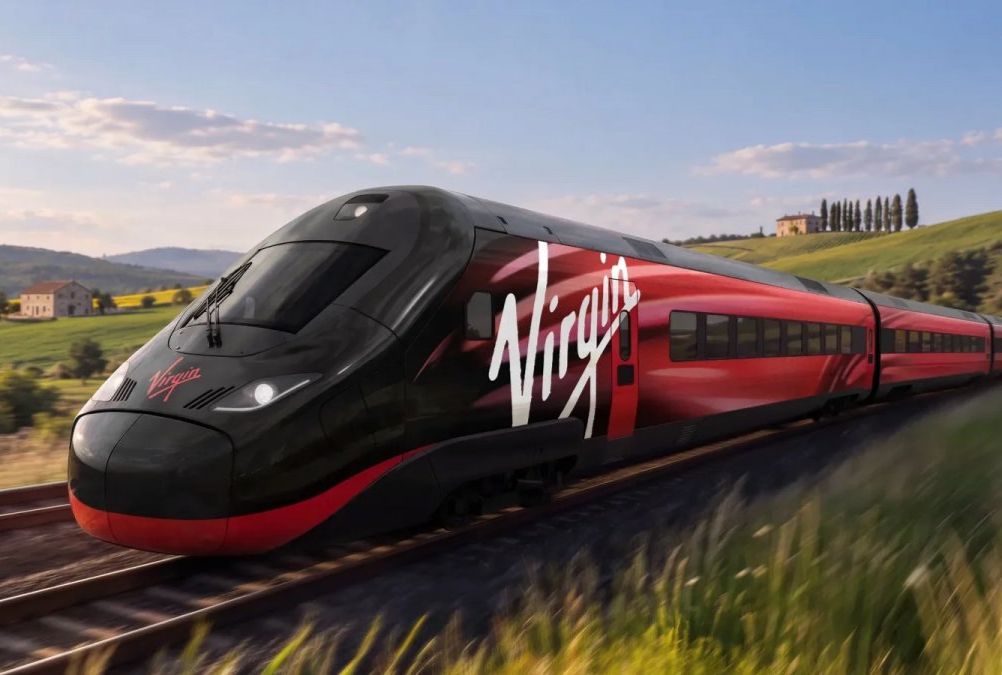
Trenitalia has joined Eurostar in appealing against London St Pancras Highspeed’s framework track access agreement with Virgin Trains, described as ‘unfair and discriminatory’, and is seeking re-examination of the award process.
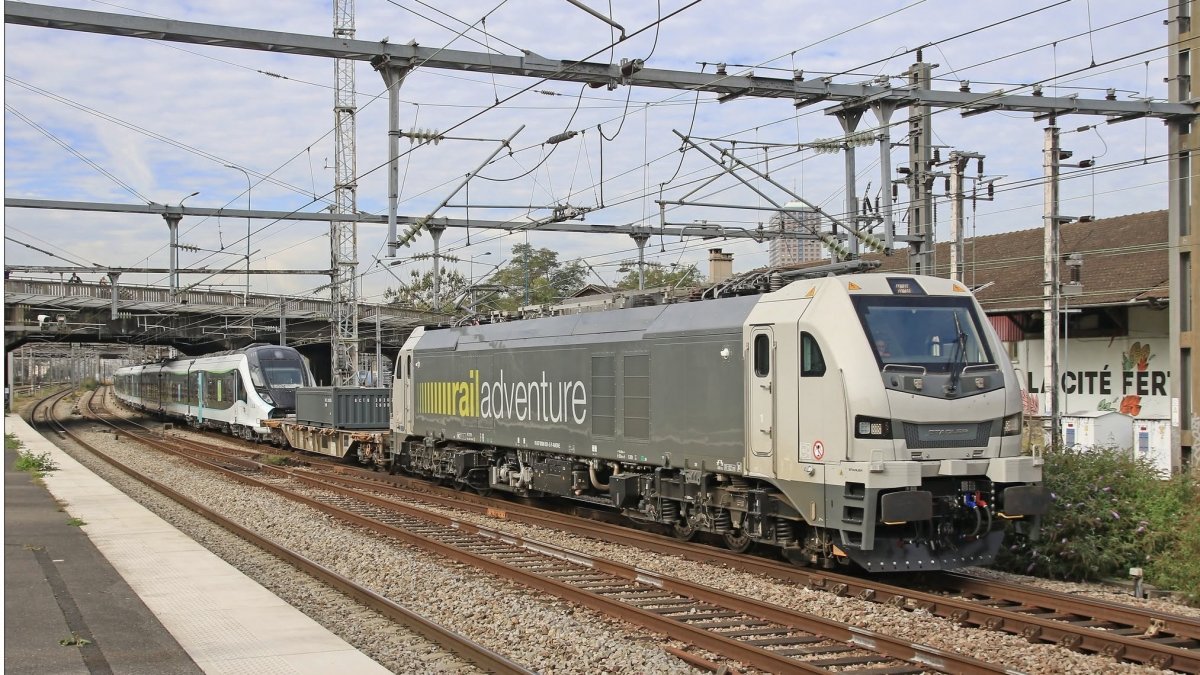
Following maintenance at SNCF's East European Technical Centre at Ourcq, Rail Adventure's Stadler E 6031 was used to tow Oxygène set 004 (Z 26707/08) back to Villeneuve-Saint-Georges on 7 October. With a well-weighted barrier wagon, the convoy is seen between Rosa Parks and Pantin. E 6031 is Rail Adventure's sole Stadler E6000. Delivered in December 2025, it can also operate in Belgium and Germany and enables RA to operate in France without relying on diesel traction. Photo: Christophe Masse.
Cléon aftermath focuses on lineside security
Accident investigation authority BEA-TT published a preliminary report on the Cléon derailment at the end of September, setting out the circumstances of the incident, management of the rescue effort, and the focus of the ongoing enquiry. As reported last month, at 19.25 on 11 September TER 852086 (not 852094 as we said) 19.06 Rouen RD – Caen running at 140km/h hit a length of rail placed on the track at Cléon near Elbeuf, derailing AGCs 76577/78 and 76619/20. The driver saw the obstacle and initiated emergency braking but the train was still close to line speed when it derailed. With 186 passengers onboard, observers considered the 44 injuries (only one serious) to have been a fortunate avoidance of a much worse outcome. Until the line reopened on 5 October, trains from Caen terminated at Elbeuf with bus connection to Rouen RD.
There was widespread speculation as to how the 300kg rail came to be on the track and who might have been responsible. No suspects have been publicly identified, though sabotage has been suggested; investigators have ‘not ruled anything out’. Following crippling of the Netherlands network on 15 September by 35 incidents of objects placed on the rails, activating track circuits and thus bringing all trains to a halt, media pointed out the similar circumstances at Cléon.
Initially, union members drew attention to what they said was poor maintenance of Normandie track, and after a broken fishplate was found near Coutances on 22 September Caen train crew briefly went on strike. However, emphasis shifted to a call for greater trackside security and better ‘housekeeping’, removing redundant components after track work instead of leaving them lying around. A union-management roundtable was held on 24 September to clarify the issues, and a census of lineside debris was expected by 25 November with a six-month deadline for removal.
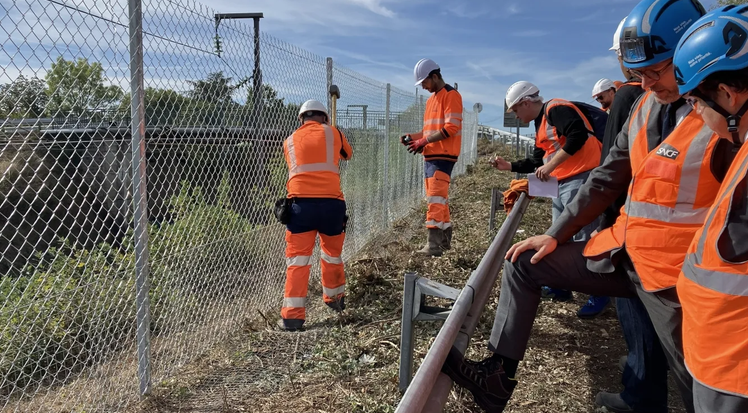
Security has been stepped up substantially since attacks on the network just before the Paris Olympic Games in July 2024 and lately redoubled to counter the scourge of cable theft. Drones, cameras and personnel are deployed at a cost of at least €100 million annually. Brits are often surprised that so much of France’s railway is unfenced. Fencing is there mainly to stop animals straying onto the track, particularly LGVs.
On the classic network, certain more susceptible routes are or are being fenced, and SNCF has agreements with local hunts to help manage animal populations. However, outside urban areas the greater part of the network is unfenced, with little to prevent animals, humans or vehicles straying onto the track accidentally or wilfully.
Grand Tour summer start?


The 18 cabins and suites range from 10m2 to 30m2, with private bathroom and toilet; each will have a dedicated butler. The restaurant will be overseen by Michelin three-starred chef Alexandre Couillon of Noirmoutier. Travel & Leisure highlights dishes including ‘scallop carpaccio with champagne vinaigrette, and duck breast with cherries…each course paired with wines and champagnes chosen by the onboard sommelier’.
Presenting new attractions for 2027 on 19 October, the PDG said the Grand Tour ‘would be running in the coming months, if everything goes well’. There was no mention of progress with homologation of the 12 coaches being rebuilt by AFF at Somain, a process that has been underway for several years, though media reports say some of the cars have recently been approved to run on the public network.
Photos: ©Puy du Fou/LE.

BB 7281 (Alstom 1980) has arrived at Paris Austerlitz on 2 October with Rémi TER 860592 18.28 Orléans – Paris, one of the few remaining loco-hauled services on this route now predominantly operated by Centre-Val de Loire TER Z 56700 Régio 2Ns. Long the Cinderella of Paris terminals, Austerlitz is entering the final stage of its renovation, scheduled for completion next September. Opening soon is the quartier Austerlitz redevelopment of the adjacent streets and buildings, as well as the Zeppelin restaurant and shops in the Grand Halle Voyageurs.
Photo: © Gwenaël Piérart.
ÎdFM renews contract with SNCF
New targets will take account of driver shortages and rolling stock problems identified up to 17.00 the previous day, a metric not in the current contract. Penalty mechanisms have been adjusted to reflect passengers’ actual experience, with five new indicators. The contract also changes targets for combating fare evasion and ensuring validation of tickets, the revenue-based incentive scheme replaced by one tied to validation which serves as a stronger incentive for the operator. Other objectives focus on anti-fraud measures. Security will be strengthened and there are new provisions to combat sexist and sexual violence on the network.
Refurbishment contract. A few days later, ÎdFM awarded a €3 billion contract to SNCF Voyageurs Matériel for refurbishment of all 360 Z 50000 'Francilian' EMUs operating on Lines E, H, J, K, P and U. Now approaching mid-life, the Alstom-built trains will be overhauled in a programme known as Opnat (Opérations sur les Nouvelle Automotrices Transilien) extending to 2043, with up to 15 sets a year passing through the technicentres at Saint-Pierre-des-Corps and Nevers-Languedoc. As well as a major overhaul, they will be equipped with new seats, improved video surveillance and upgraded air-con that uses refrigerants with a lower environmental impact than those currently employed. The oldest trains, dating from 2009, work Line H and these will be upgraded first.
Deliveries update. In ÎdFM’s annual review of rolling stock deliveries, Alstom said schedules had recovered after the steps taken over the past year to reduce delays. MF19 trains, already running on Line 10 and coming to Line 13 next July, will be delivered at a rate of four per month from next April, as had been contracted. The last run-on batch of MP14 trains, three for Line 14 and four for Line 4, will be in service shortly. Nearly half of the 262 NG sets for RER Line D have been delivered, the remainder planned at around 20 trains per year through to 2032. In total 517 new trains will come on stream by 2032, an investment of €13.3 billion.
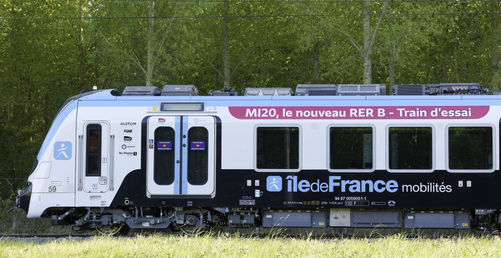
Political squabbling continues over late delivery of MI20 trains for RER Line B. According to Alstom, they are back on track for late-2028 entry into service, with the pre-series set unveiled earlier this year now undergoing homologation and 10 more in pre-production. There will be 15 sets delivered in 2029-30, 28 in 2031 and 2032, and 33 in 2033 and 2304. Photo: Alstom.
News In Brief
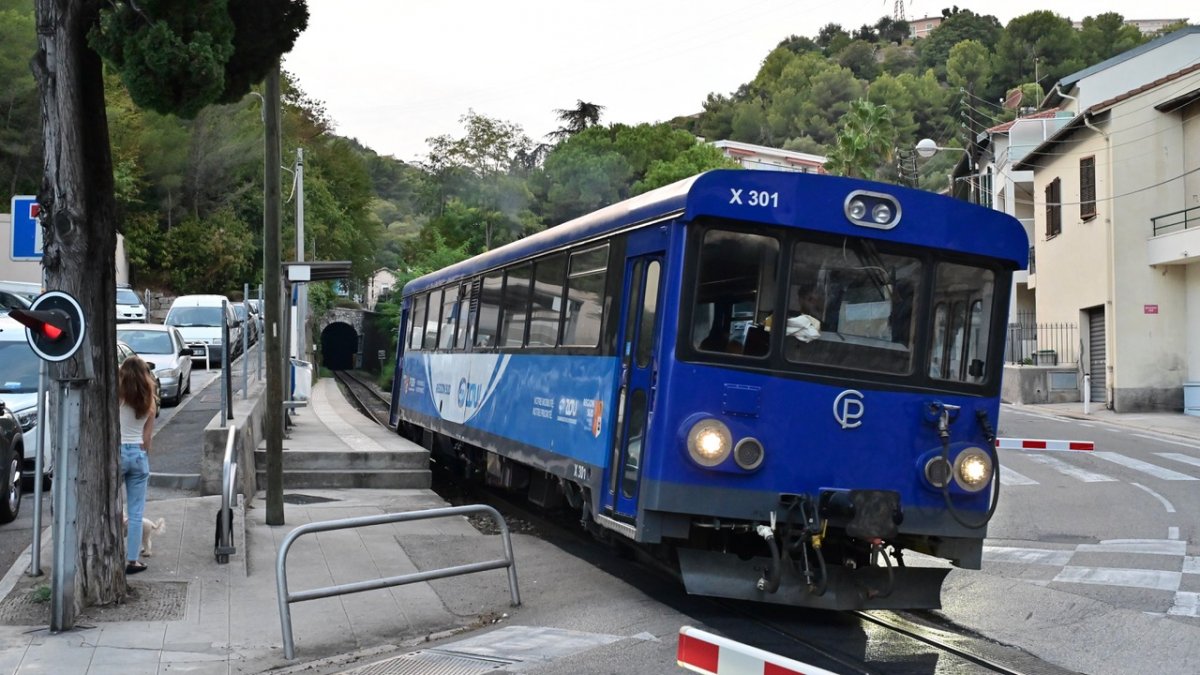
On 3 October, X 301(CFD 1972) leaves Nice-Saint-Philippe with TER 536 18.11 Colomars-La Manda to Nice CP. Service returned to normal on CF de Provence from 9 October after an agreement was reached over demands for increased pay. Staff had withdrawn their labour on Fridays for several weeks. Management conceded a rise in basic wages plus a one-off €150 fuel bonus and better recognition of seniority.
Photo: © Gwenaël Piérart.
TGV M will be launched officially on 6 November, with 09.56 Paris Gare de Lyon to Marseille carrying transport minister Philippe Tabarot and SNCF’s PDG Jean Castex amongst other guests. TGV 6112 at 09.03 from Marseille Saint-Charles will be the first run. Commercial services start on the 9th with TGV 6175 10.10 and 6180 16.56 Paris – Nice plus 6115 14.38 and 6132 19.15 Paris – Marseille.
TGV at 45. SNCF celebrated the 45th anniversary of TGV (started 27 September 1981) with 450,000 tickets at 45% discount. On sale between 6 and 8 October, the tickets are valid for travel Paris – Lyon between 16 October and 30 November (apart from the Toussaint weekend), and all France from 2 to 30 November.
Freight movement between Clamecy and Corbigny will continue, Nièvre département said, following an accord between the State, BFC région and the line’s users. Passenger service was withdrawn last year due to the poor state of the track, and it was feared that the same fate would befall grain and minerals trains from locations between Cercy-la-Tour and Corbigny. Citing it as the first stage in restoring passenger service, local officials are pressing for a start on the track upgrade promised by last year; BFC confirmed a subvention of €3 million for the work on 21 October.
Calais – Perpignan boost. In December 2025 Lineas France took over traction of the CargoBeamer piggyback service from Calais Beau Marais to Perpignan from DB Cargo France. Since then, frequency has risen to five weekly in April, six in June and eight in September. Trains are hauled by BB 27000s between Calais and Perpignan, with a Lineas BB 75000 diesel used between Beau Marais and Calais. Calais continues to add intermodal services to the south, in particular to Spain via Perpignan or Le Boulou. VIIA offers up to eight trains a week operated by DB Cargo France to Le Boulou as well as three to Sète and up to six to Lyon.
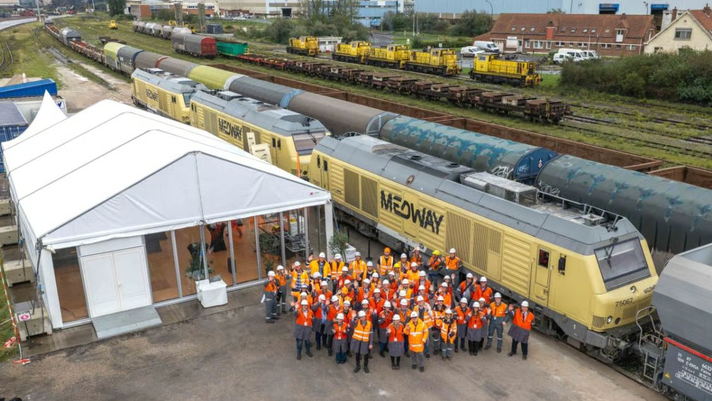
Medway marked operation of its 300th aggregates train for ArcelorMittal’s Dunkerque steelworks on 28 September by naming three of its Prima locomotives: BB 75004 ‘Yaël’, BB 75050 ‘Eva’ and BB 75067 ‘Safa’; all three are daughters of Medway loco drivers. Since movements from Lhoist and Carrières du Boulonnais quarries in Pas-de-Calais started at the end of last year, 650,000tonnes of material has been carried. Photo: ArcelorMittal/AD.
Denguin file closed. The saga of the collision on 17 July 2014 at PN256 Denguin west of Pau concluded last month when SNCF was fined €128,250 for causing ‘involuntary injuries’. Investigating authority BEA-TT found rats nesting in a damaged equipment cabinet had eaten wiring insulation, causing signal S23 to show a clear aspect even though TGV 8585 Tarbes – Paris occupied the block section ahead, being driven on sight at 30km/h due to the signal’s malfunction. The following Pau – Dax TER 867285 struck the rear of the moving TGV; of the 228 passengers on the two trains, 36 people were injured, five seriously. Though it disputed BEA-TT’s conclusions, SNCF checked some 40,000 equipment cabinets and found 36% had been compromised. It paid out nearly €1 million in compensation.
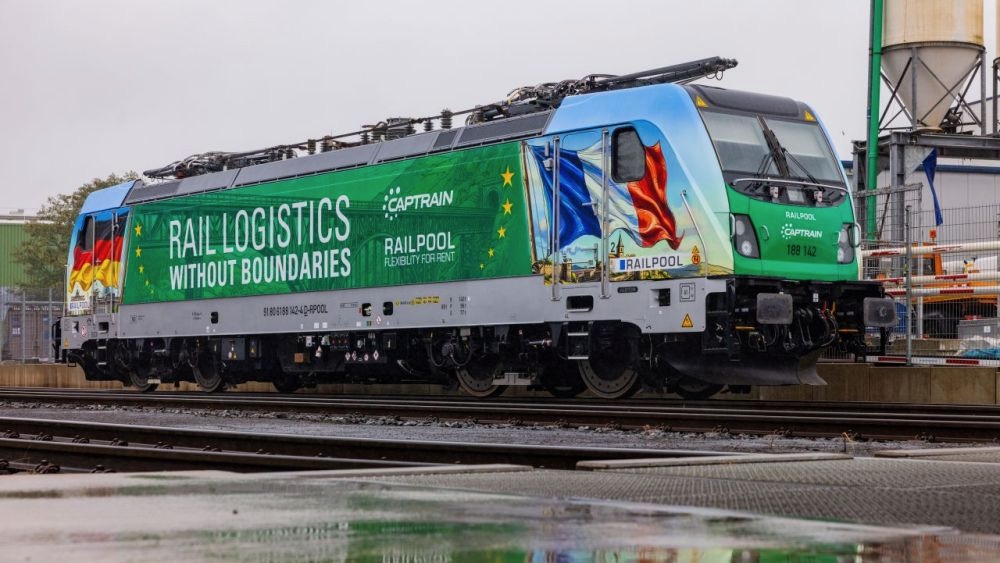
SNCF subsidiary Captrain Deutschland have leased two Alstom Traxx Class 188 locomotives from Railpool for freight operations between Germany and France. One of the locomotives is 'last mile' diesel equipped allowing access to non-electried sidings and yards.
Photo: Captrain Deutschland.
Europorte France has been granted a safety certificate from the Swiss Federal Office of Transport, enabling the operation of freight traffic from the Swiss border into Basle RB marshalling yard. With subsidiary Europorte Deutschland it can now operate in France, Belgium, Germany and Switzerland.
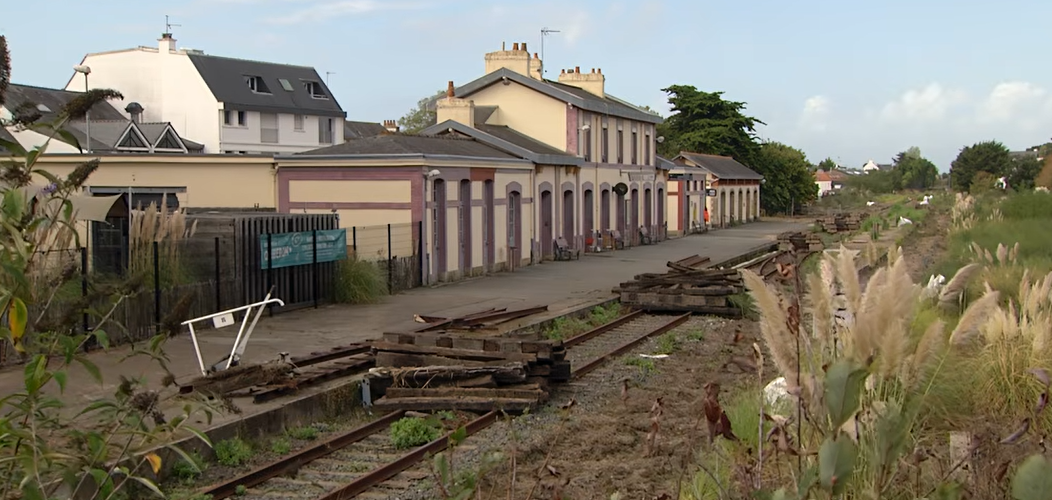
Dismantling of the 27km Auray – Quiberon line started on 14 September after the summer service ended and by 20 October new ballast was being deposited at Ploemel. Track is being lifted during the autumn and will be relaid next year using material recovered from main line upgrades. All halts are to be made accessible and Quiberon station will be relocated to the north of the existing site (in the distance above) with a longer platform and no loop. Photo: TV Quiberon.
Extra funding for JO. Visiting Albertville on 16 October, transport minister Philippe Tabarot announced an additional €300 million for transport improvements ahead of the 2030 Winter Olympics, €118 million of which is for rail, mainly the Grenoble – Veynes upgrade (see October News). This money is in addition to that already committed to the Sud-Alpes Marseille – Briançon project, and will also cover accessibility works at Montmélian, Albertville, Aime-la-Plagne and Bourg-Saint-Maurice.
Cévennes. The line is closed between La Bastide-Saint-Laurent-les-Bains and Villefort from 5 October to 6 November for remedial work on Fagoux tunnel (378m) costing €1 million. Also affected is Marvejols – Mende – La Bastide, closed because trains could not run through to Nîmes for maintenance and running ECS via Béziers was out of the question. A Marvejols – Mende run by 140 C 27 on 11 October to celebrate the 50th anniversary of Train à Vapeur d’Auvergne was cancelled because nothing had run between the two stations for a week and no inspection vehicle was available to check the state of the track. This would have been the first steam loco seen at Mende since the early 1960s.
Dutch start-up Heurotrain has signed a ten-year framework agreement with SNCF Réseau for paths to run 16 daily return Paris – Brussels – Amsterdam high-speed service from December 2030. €125 million in seed-funding has been raised towards the initial €500 million required to get the project off the ground.
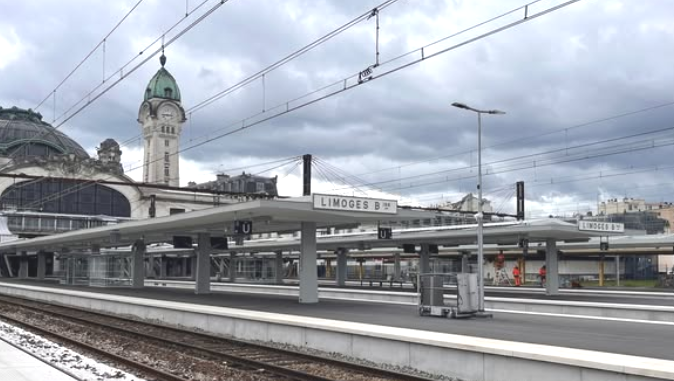
Limoges. 1 October saw inauguration of the renovated platforms with new shelters, lighting and signage, a €17 million project. In the final stage, lifts will connect the concourse and platforms, making France’s most beautiful station fully accessible. Photo: SNCF G&C.
Lyon – Grenoble. SNCF announced a €110 million investment in the line on 14 October. Despite works costing €43 million over the past three years, punctuality remains poor at 80%. In the first stage next year, track will be renewed between Grenoble and Voiron (25km); level crossings will be modernised and part of the route fenced. By the end of 2028, all rolling stock used on the line will have been renovated.
Nantes métropole approved studies of two SERM-related projects: resignalling of the Étoile de Nantes and capacity enhancements for hourly trains to Pornic and Saint-Gilles-Croix-de-Vie. This study will assess the need for additional passing loops or partial doubling on the common section between Nantes and Sainte-Pazanne (26km). Both projects are likely to start in 2031 for completion by end 2033.
Nantes – Rennes. Pays de la Loire and Bretagne régions have agreed a 30% increase in TER services between their capitals starting on 30 August 2027. Running via the east-to-south chord at Redon, non-stop trains will rise from 10 to 13 A/R on weekdays, filling off-peak gaps but still not providing an hourly service. At weekends, there will be two extra A/R (2.5 on Sundays) bringing the total to eight. Bretagne’s additional Vannes – Quimper trains will also run from 30 August, having been postponed a year (see September News).
The last overnight TGV, 8657 23.59 from Paris to Brest on Sundays and holidays via the classic route, run principally for the military, was withdrawn at the end of the summer. Its replacement is TGV 8655 at 21.06 from Montparnasse which runs over the LGV to reach Brest at 00.38 stopping only at Rennes, Saint-Brieuc and Guingamp.
Visiting the Toulouse – Latour-de-Carol line on 1 October, Occitanie president Carole Delga promised expansion of the région’s €1 fares offer, giving commuting by train for less than the price of a litre of petrol. She announced studies for reopening the halt at Ornolac-Ussat-les-Bains between Tarascon and Les Cabannes to serve the village’s thermal baths and caves.
Ligne des Hirondelles. Fnaut reports further journey-time extensions in the December timetable, with up to 10min added due to new speed restrictions. Emergency engineering work has given the line three years before likely closure, but no plan has emerged to finance the €90 million required for futureproofing. Fnaut said, ‘trains are slower, travel time is longer and short trains are overcrowded’. It highlighted bus substitution, especially on Wednesday and Friday evenings when single-car trains cannot handle the numbers wanting to travel.
Rouen – Évreux. Fulfilling a long-standing objective of Normandie région, SNCF Réseau will upgrade the 1.7km north-south freight chord at Serquigny and its level crossing to passenger standards and build a platform for direct trains from Rouen to Évreux; cost is up to €3 million. A trial service of two peak-hour A/R will start in January 2028, taking about 70min. More frequent trains would depend on availability of bimode MUs as only the section beyond the chord to Évreux is electrified.
POLT. Relaying between Orléans and Vierzon, begun in 2023, was completed last month. Productivity of the BOA factory train was described by SNCF Réseau as exceptional, with a record 2,268m of track rerailed on the night of 17 September.
Lyon métropole has rejoined Comité pour la liaison européenne transalpine Lyon-Turin to press the case for the new tunnel access route and other improvements that will impinge on the city’s SERM. Opposed to the LT project, the previous ecologist-majority administration had withdrawn from the group. Councillors also voted on 28 September to submit SERM proposals for government approval. In the first stage, to be implemented in 2029, 113 additional daily trains will run, mainly off-peak, with operating hours extended at each end of the day.
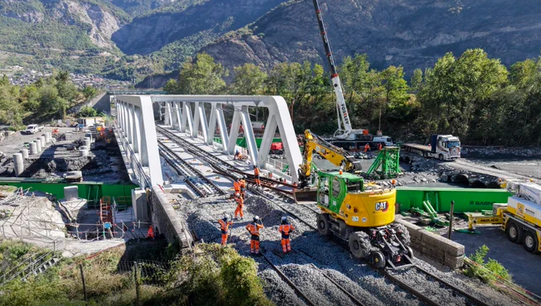
The new Longefan viaduct over the Arc river, rolled into place on 15 September, was first used at 22.35 on 9 October after month-long work at Saint-Jean-de-Maurienne. The 184m Warren truss is the first in France to have track directly fixed to the decking, eliminating ballast or longitudinal baulks. This completes the €190 million Phase 2 of the 4km interconnection between the classic main line and the route to the Mont Cenis base tunnel; the junction was commissioned on 19 October. At the same time, a temporary platform was brought into use at Saint-Jean-de-Maurienne (direction Chambéry) prior to construction next year of the new station at the junction and the second deck of Arvan viaduct, expanding it to carry seven tracks. Photo: TELT.
Occitanie. The first of 18 Régio 2N EMUs ordered for Mediterranean coast services was delivered at the end of October. Starting next summer, the new fleet will expand the liO offer on the Perpignan – Narbonne – Béziers – Montpellier – Nîmes axis where a substantial rise in passenger numbers has been recorded. At one set per month, delivery should be completed by spring 2028. The trains will be based at Occitanie’s own maintenance depot to be built at Colombiers west of Béziers (see October News), while SNCF Voyageurs’ proposed expansion of maintenance facilities at Perpignan is designed to handle these trains too.


Nancy – Contrexéville. The first track was laid at Ceintrey last month and the symbolic first weld made in a ceremony there on 21 October. At Mirecourt, the line’s maintenance depot and operations centre is taking shape for commissioning early next year. Reopening had been scheduled for 12 December 2027 but is delayed ‘by several months’ Grand Est région said, due to the heatwave and unexpected technical problems in rehabilitating the formation. Photos: Ville de Mirecourt.
After the sun, comes the rain. After a hot summer in southwest France that caused numerous cancellations to Bordeaux – Marseille Intercités services, heavy rain in the Mediterranean region from 19 October caused further widespread disruption during the following week. Bordeaux – Marseille services terminated at Toulouse or Béziers or were cancelled altogether. Other services affected were Lunel – Nîmes where the classic line was closed for five days after several washouts; 60m of track had to be replaced and several hundred metres repaired and realigned. The Le Grau-du-Roi line was closed whilst flood-damaged signalling equipment was repaired. Vandalism between Toulouse Matabiau and Saint-Cyprien-Arènes on 21 October added to the problems, with widespread disruption in the Toulouse area affecting services to Bordeaux, Tarbes/Pau, Latour-de-Carol and Auch.

Renfe AVE 17 is seen at Port-la-Nouvelle on the 11 October with Renfe 9731 Marseille Saint-Charles to Madrid Atocha. The following day one of the power cars caught fire near Zaragoza, so this was probably its last trip in France! Photo: Georges Turpin.
Standard gauge to Port Bou. Adif will complete dual gauging of the classic line from Figueres as part of a €127 million investment by Catalunya to boost cross-border freight. This will clear the way by 2030 for Occitanie région’s proposed RER-style Toulouse – Barcelona service or Girona – Perpignan as favoured by Catalunya. In a further move, Occitanie and Sud-PACA régions have joined with Catalunya and Liguria in Italy to form Via Mediterra to co-ordinate their rail projects on the Mediterranean corridor from Genoa to Barcelona.
Arve Valley upgrade


SNCF Réseau published a new resumé of the €260 million Arve valley upgrade on 23 September, the result of five years’ study now going to public enquiry in February. The work has been postponed several times, latterly to avoid clashing with other upgrades for Winter Olympics traffic. Capacity improvements will see doubling to half-hourly of the TER service between La Roche-sur-Foron and Saint-Gervais-les-Bains and three additional Léman Express trains, daily service rising from 38 to 53 trains.
Longer passing loops at Saint-Pierre-en-Faucigny, Cluses and Sallanches will allow pairs of TGVs to run during the winter sports season, and additional sidings will be electrified at Saint-Gervais to hold more trains. The line is to be resignalled with control from Chambéry’s signalling centre, equipped with GSM-R, and traction power augmented to handle the increased length and number of trains. This work will cost €166 million. Separately financed is an associated project by Haute-Savoie département to eliminate five level crossings by constructing four new overbridges at a cost of €116 million under an agreement with SNCF Réseau signed in June. Bonneville viaduct over the Arve river is also being replaced in 2027-28, cost €20 million.
Assuming receipt of approval later next year, GSM-R will be installed first and an extra platform built at La Roche-sur-Foron station which is to be made fully accessible. Then the line will be closed from April 2030 to November 2031 whilst the main work is carried out. Photo: SNCF Réseau.
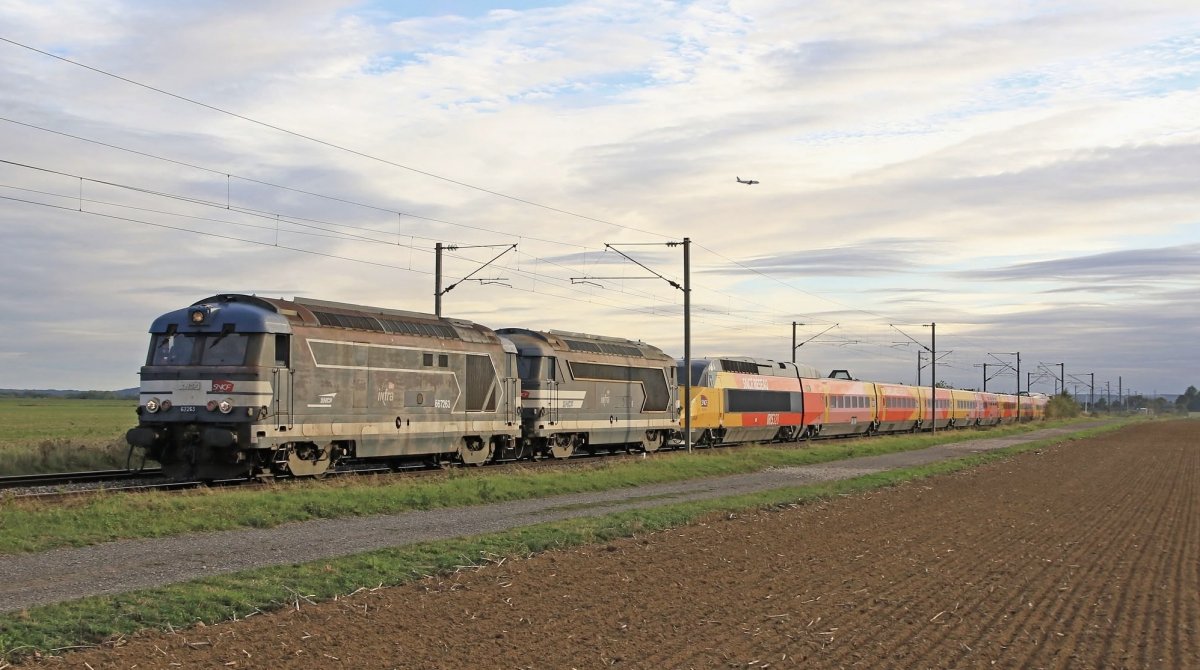
IRIS 320 (Inspection Rapide des Installations de Sécurité, formerly TGV Réseau 4530) has a striking new livery after its mid-life overhaul at Saint-Jacques-de-la-Lande on the outskirts of Rennes. On 12 October, it was hauled back to Le Landy Technicentre where it will undergo extensive testing before it can return to the network for independent operation. Seen above passing Juilly (near the end of the runways at Roissy airport) hauled by BB 67263 and BB 67215. Photo: Christophe Masse.
Le Teil, an open and shut case
In a separate project from construction of the modular platforms, the restored south wing of Le Teil station building was inaugurated on 15 October. Now municipally owned, it houses a café and women’s medical centre and has space to welcome passengers when the station reopens.
At its AGM on 8 October, L’Association des usagers TER SNCF Rive Droite du Rhône heard an update on the six stations opening between Avignon/Nîmes and Pont-Saint-Esprit. Work started in September to raise platforms and build a footbridge at Villeneuve-lès-Avignon, 4km from Avignon Centre, which will become a PEM with parking for 70 cars, cycle lockers, bus bays and better pedestrian access; opening December 2027, 1,200 passengers expected daily. Next will be Roquemaure, opening 2028. Here the platforms and subway will be renovated. Marguerittes, Remoulins-Pont-du-Gard and Aramon follow in 2029-30, and finally Laudun l’Ardoise in 2031-32 on completion of major work necessary before passenger trains can call.
Carhaix upgrade funded
As well as track renewal, simplification of station layouts, infrastructure renovation and drainage improvements, signalling will be upgraded to CAPI-NG, level crossing safety improved, platforms lengthened and Carhaix station made accessible. The work is intended to secure the line for 20 years; to locals’ dismay there will be no capacity enhancements that would allow a more frequent service. Having originally been described as renovation for ‘one train operation’, the work includes maintenance of the passing loops at Callac and Moustéru, both of which are required for the two-train Friday service. Rehabilitation of the viaduc de Trieux was carried out earlier this year at a cost of €1 million.
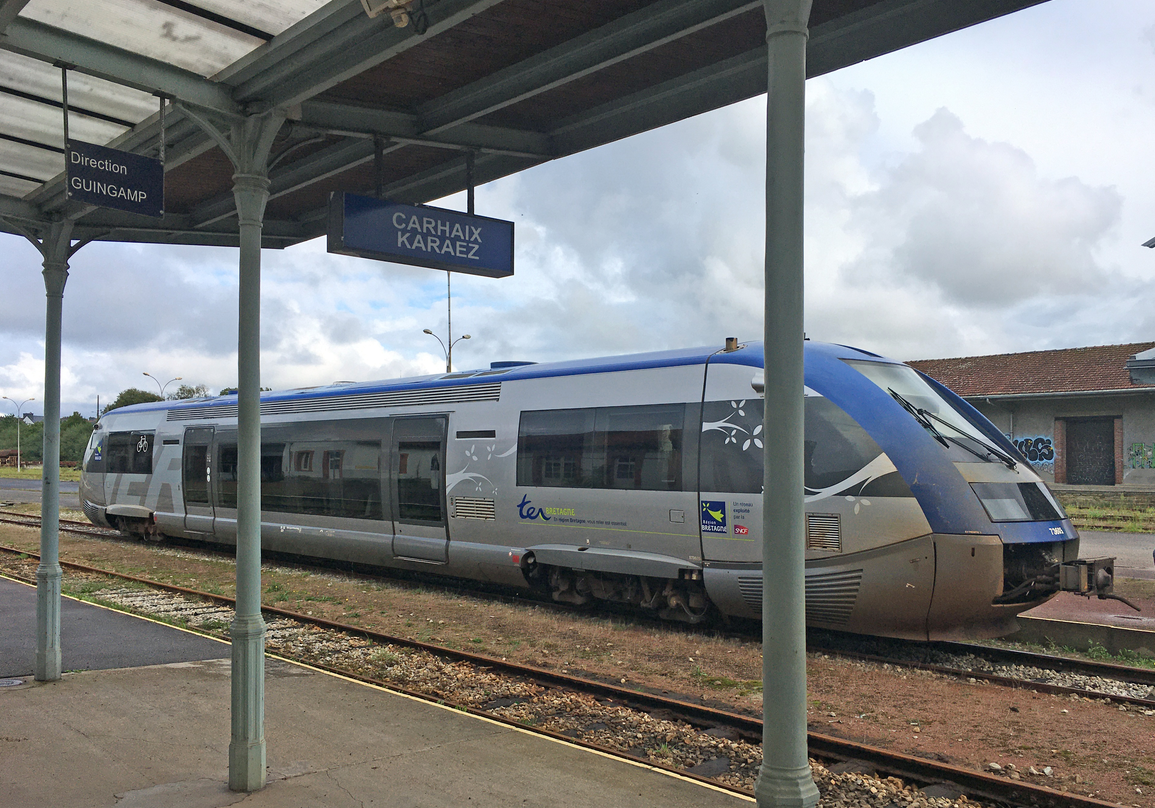
Where Réseau Breton trains once departed on five routes, in the late afternoon on 18 September 2021 X 73605 waits at Carhaix to take up its next duty to Guingamp. Photo: CC BY-SA 4.0/Quoique.
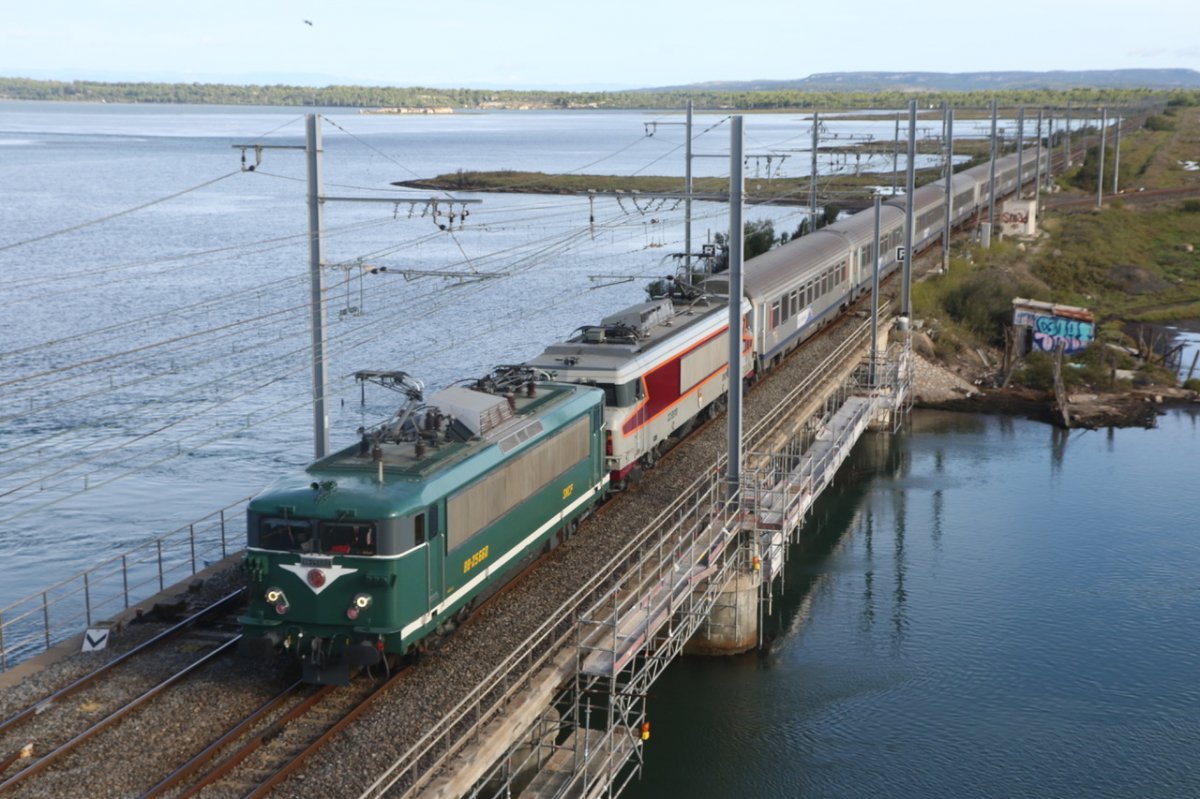
On Sunday 11 October APCC 6570 ran a Train des Vendages from Avignon to Cerbère double headed by CC 6570 and BB 25660, a pairing that probably never occurred in SNCF service. On the outbound leg, the train travelled via the Nîmes – Montpellier bypass line making a stop at Montpellier-Sud de France TGV. As this section is 25kV AC, only dual-voltage BB 25660 was under power. The pair are seen above arriving at Port-la-Nouvelle. Photo: Georges Turpin.

Lyon Perrache. The preserved Poste 1 dating from 1930 and closed 10 years ago is to be opened to the public in a joint effort between SNCF Réseau and Association Rails et Histoire. Computer simulation allows visitors to work France’s last complete Thomson-Houston electro-mechanical interlocking and see routes set up on the track diagram. Photo: AHICF.
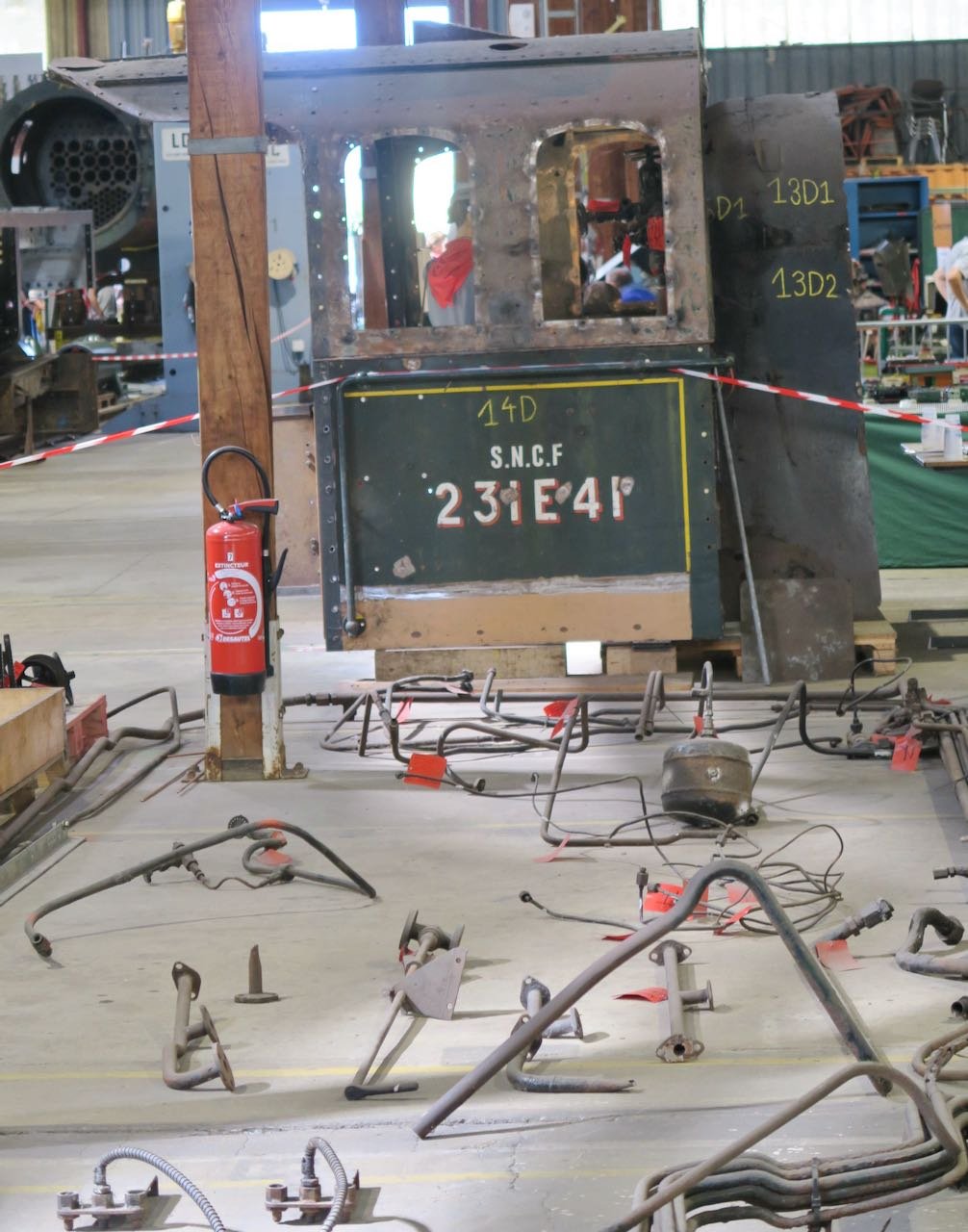
Fondation La Loco signed an agreement with Lycée Henri-Brisson at Vierzon for engineering students to assist in manufacture of components for restoration of Chapelon loco 231 E41, owned by the municipality of Saint-Pierre-des-Corps. The work is being overseen by AAATV.
BB 12120's future secured. AAPSL Amicale des Agents de Paris Saint-Lazare, keeper of preserved BB 17016, has managed to raise the €20,000 required to purchase BB 12120. Having entered service in 1960, the monocabine was withdrawn from Mohon in 1993 and preserved the following year by CFV3V in Belgium where it was displayed in the museum at Treignes. CFV3V has been seeking to dispose of the loco for some years to free up space and put it on the market in 2021 at €70,000. With no buyers, it was threatened with being broken up. AAPSL was able to secure it for €20,000 and the locomotive departed for its new home on 13 October.

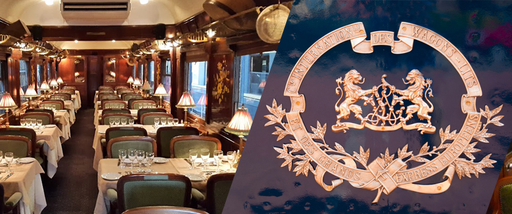
CF de la Vendée celebrated the centenary of its CIWL steel-bodied restaurant car No 2750 (OM Reggio Emilia 1926) on 2 October with special events at Mortagne-sur-Sèvre. Image: CFV.
Train Touristique du Cotentin (Carteret – Portbail, 8km) has closed. With the operating agreement expiring on 31 October, SNCF had expressed itself willing to sell or transfer the line to new ownership, but no local authority stepped in as the cost of remedial work is estimated at between €600,000 and €1 million. Trains from Carteret ceased on 13 September and a final Halloween special ran on 31 October. The line carried 10,500 passengers in 2026 but basic track maintenance costs €75,000 a year.
.
.
APCNT Association de Préservation des Chasses-Neiges Toulousain, aiming to preserve the two former snowplough locos CN1 and CN2 (BB 8553/8556), has taken a lease on the former depot building at Latour-de-Carol and is negotiating with SNCF to take custody of the two locomotives and move them from Toulouse to Latour. APCNT has also bought Y 7106 from La Toulousaine des Farine flour mill at Sallèles-d’Aude. It was transferred to Luzenac (Ariège) on 8 April where it is stored pending transfer to Latour-de-Carol. One of its numberplates is preserved at Montmirail (Marne) by TFBCO.

RATP hosted an exhibition celebrating the history of metro tickets over the JEP weekend. After several unmet deadlines, withdrawal of card tickets is now ‘definitively’ scheduled for 15 December. Photo: RATP Heritage.

AJECTA returned to steam operations on 11 October with a shuttle between Longueville and Provins topped and tailed by 140 C 231 and 141 TB 407. Seen above descending from Provins with 141 TB 407 in the lead, returning to service after a lengthy overhaul.
Photo: Christophe Masse.

The original rack tramway that ran from the railway station to the Hotel de Ville in the upper town closed in 1971. It was replaced in 1989 by the Poma 2000 cable-operated peoplemover with rubber-tyred cars on a metal trackway. This closed in August 2016 when the municipality decided it could not afford a €19 million overhaul. At that stage it was carrying 1,500 people a day. It has been replaced by a bus that runs two or three times an hour at slightly uneven intervals.
The views below show the Hotel de Ville terminus and trackway on 15 October, 10 years after closure. Apart from the cables and cars having been removed, the structure remains intact.


November 2026 News
Urban News
A dozen metro extensions studied
The Île-de-France master plan (SDRIF-E), approved in June 2025, was ratified on 23 September when the Conseil d'État dismissed the last appeals against its proposals. It aims to provide every citizen with access to public services, employment, culture, sports and natural surroundings within 20 minutes of their home – the so-called 20-minute city – as well as setting a course towards a low-carbon future. SDRIF-E’s transport element identifies up to 790km of new railways.
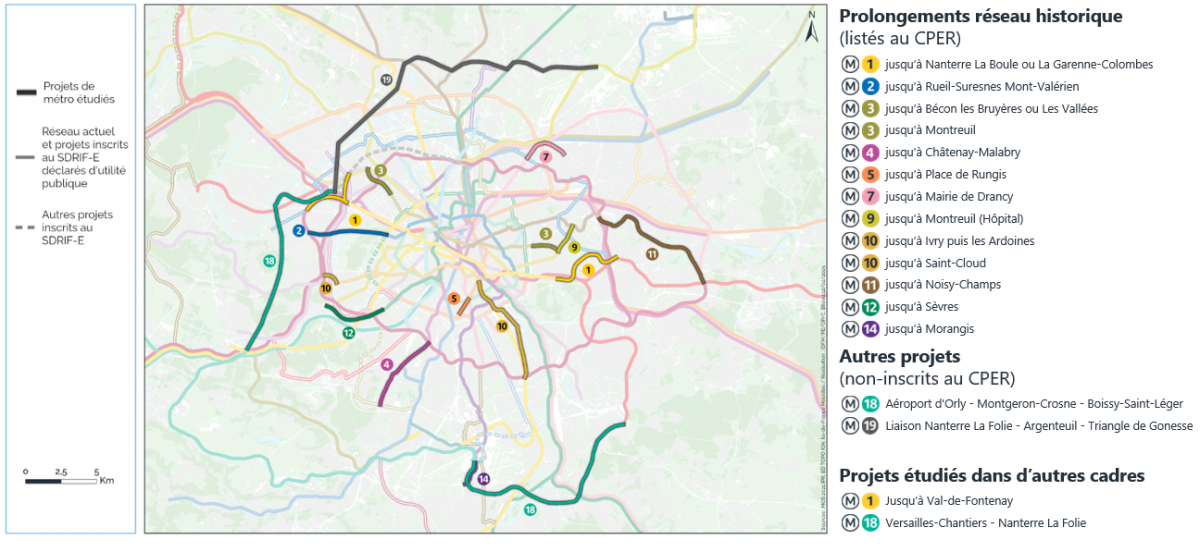
Despite delays to Grand Paris Express opening dates and budget cuts (see below), Île-de-France Mobilités has its eye firmly on metro development beyond the 2030s. As with GPE, the aim is to ‘reduce regional inequalities’ and ‘meet the mobility challenges of tomorrow’ according to a report in Le Figaro. Internal studies for at least a dozen extensions are underway to assess their feasibility, cost and socio/economic value. Most have been identified in the ÎdF contract-plan (CPER) or SDRIF-E. They are:
Line 1. Château de Vincennes to Val de Fontenay, 5km, three stations; public hearings started 5 October.
Line 2. Porte Dauphine to Rueil-Suresnes Mont Valérien, 6km, three stations.
Line 3. Pont de Lavallois Bécon to Bécon-les-Bruyères and Les Vallées, 3km, two stations.
Line 4. Bagneux-Lucie Aubrac to Châtenay-Malabry, 7km, five or six stations.
Line 5. Place d’Italie to Place de Rungis, 1km, one station, with potential for further extension to link with M4 at Bagneux.
Line 7. La Courneuve 8 Mai 1945 to Le Bourget-Drancy and Mairie de Drancy, 3km, two stations.
Line 9. Mairie de Montreuil to Hôpital de Montreuil, 3km, two stations.
Line 10. Austerlitz to Ivry-Place Gambetta, 4km, 5 stations; later a further 3km to Vitry for interchange with RER Line C and GPE Line 15.
Line 11. Rosny Bois-Perrier to Noisy-Champs, 10km, three stations; ÎdFM presented preliminary plans on 24 September.
Line 12. Mairie d’Issy to Sèvres, 2km, two stations.
Line 14. Aéroport d’Orly to Morangis, 4km, one station.
GPE. Extensions to Line 18, studies approved by Essonne département; proposed Line 19.
ÎdFM expects to produce a comparative analysis of the extensions and an order of priority by the end of 2027. With GPE construction continuing into the early-2030s none are likely to see the light of day before 2040. Map: ÎdF SDRIF-E.
Line 18 opening in doubt
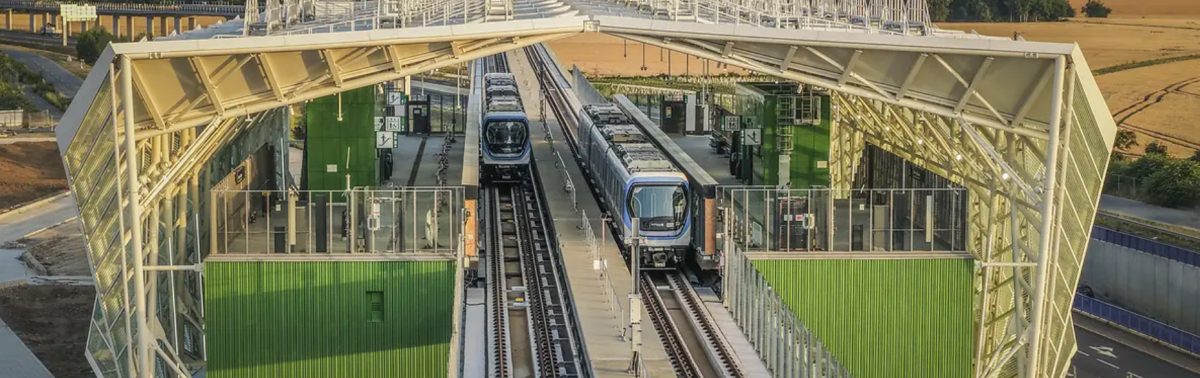
This is Christ de Saclay station on the elevated section, seen during earlier trials. Photo: Société des Grands Projets.
Also casting doubt on a December opening date is a dispute between the State and ÎdFM over tax receipts. The government intends to cut €90 million from ÎdFM’s 2027 budget on account of excess receipts from the tourist tax hypothecated to finance GPE operating costs. At €245 million, this is higher than expected and the State wants to allocate the surplus to Société des Grands Projets to make up shortfalls in its budget. ÎdFM president Valérie Pécresse threatened to postpone opening of Line 18, saying she could not fund its operating costs whilst ÎdFM as a whole faced a €90 million cut. ‘I cannot propose a budget for 2027 with a €90 million hole’ she said.
One hand gives… With fuel prices at a record high, Centre-Val de Loire région has introduced ‘solidarity pricing’ for low-income households. The 10% in receipt of subsidised health insurance are eligible for a free Rémi Solidaire pass entitling them to a 75% discount on train and bus fares. The scheme will cost €2.2 million a year. At Saint-Étienne public transport is now free on Saturdays and in Valenciennes is at all times until the end of the year, while Nantes métropole voted on 2 October to extend free travel to a further 15,000 low-income residents.
…the other takes. Cash-strapped Marseille métropole voted to reinstate fares on Aubagne public transport after 17 years. Locals had hoped the new tram route to La Bouilladisse opening early next year would also be fares-free. The métropole insisted it would end ‘all forms of free travel’ except for police officers and raise by up to 11% fares which have been unchanged since 2017, but fares-free in Aubagne would continue until 2028 .
Nice. Proposed T4 to Cagnes-sur-Mer is to be re-examined, with a BHNS rapid bus link back in the frame. New maire Eric Ciotti said he did not wish ‘to impose a tramway on a municipality [Cagnes] that does not want it’. Police searched the headquarters of Ligne d’Azur on 1 October as part of investigations into embezzlement of public funds, favouritism and other issues raised by anti-corruption campaigners. The operator’s PDG Julie Reti was dismissed on 22 September.
Lille. Line 1 was in trouble again on 16 September when a total failure brought all trains to a halt, trapping 5,000 people who were evacuated along the tracks after an hour. Service resumed but then the line was out of action for the rest of the day and several times thereafter. Llévia said an upgrade to the new automation system had caused the breakdown. Alstom admitted responsibility and restored the old version until the fault could be identified.
Lille Mongy. The first of 27 Alstom Citadis trams enter service in mid-November, with two per month being commissioned thereafter. This will complete a €170 million upgrade of the Lille – Roubaix/Tourcoing tramway. Sixty platforms have been lengthened to accommodate the 32.4m-long cars. A 28% increase in frequency by 2029 will see cars running every 3min 40 at peak times on the common section. The 23 Breda tramcars dating from 1994 have been donated to the Ukrainian city of Mykolaiv which lacks spare parts for its Russian-built trams. They will be regauged for 1,520mm track.
Contractors working on Brest T2 and express bus network extensions are claiming an additional €40 million, a sum rejected by the city authorities who are threatening legal action. In Marseille, RTM and Alstom are in dispute over a €70 million increase in the cost of the Neomma next-generation metro cars. The metro has been closed after 21.30 on Monday to Thursday since 2023 for trials of the new trains and automation system.
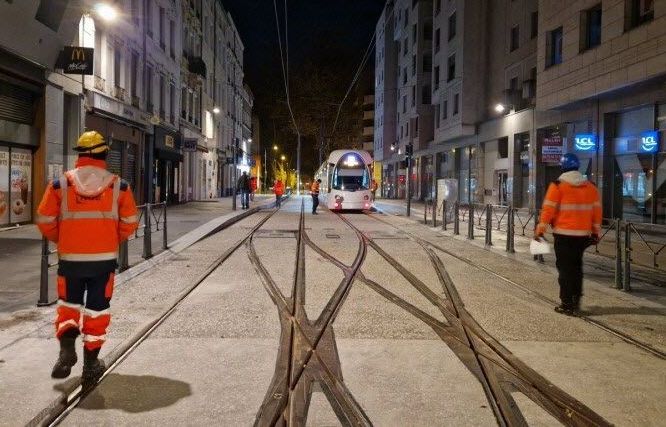
Lyon. TCL installed point motors and carried out proving trials in Vénissieux at the beginning of October, where north and south connections have been laid between T4 and T10 opening next summer. The two lines will share tracks and the stop at Gare de Vénissieux. Photo: TCL.
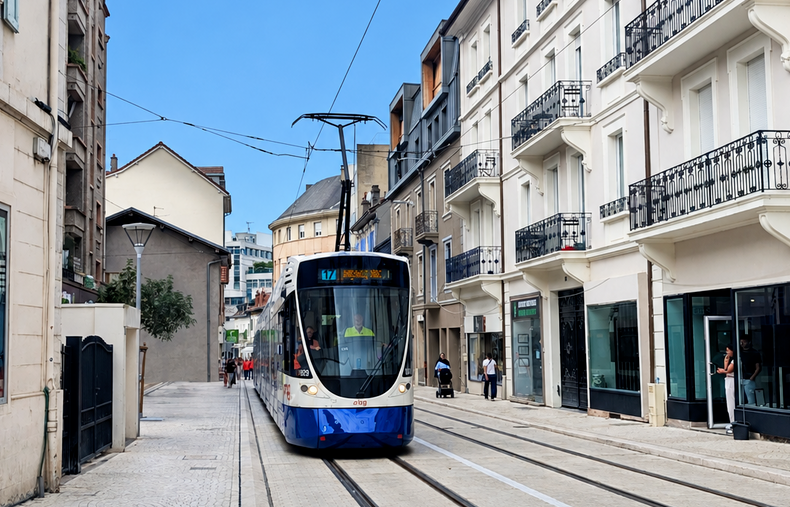
Annemasse was en fête on 17 October for opening of the 1.2km extension of Geneva’s T17 to Perrier-Aubrac Lycée des Glières. All public transport in the town was fares-free on the day, though tickets were still required for journeys into Geneva (€4.30). Photo: Annemasse agglomération.
© Peter Lovell & Chris Bushell. The French Railways Society 2026. With thanks to Georges Turpin, Christophe Masse, Gwenaël Piérart and Roger Carvell
